
Stake Mines is one of the most recognisable online casino mines-style games available to players in India. This review focuses on touch controls and responsiveness in tile reveal games, gameplay mechanics, payout summary, and player experience on mobile devices — particularly important for the large number of Indian players who access casinos via smartphones. The aim is practical: explain how the game performs, what payout expectations look like, and how responsiveness affects decisions while playing.
What is Stake Mines?
Stake Mines is a tile-based reveal game where players select safe tiles from a grid while avoiding mines. Each safe tile increases the multiplier; detonating a mine ends the round. The simplicity of rules belies the skill and timing required on touchscreens: quick, accurate tapping and feedback are critical to profitable play.
Core mechanics
- Grid sizes vary (commonly 5×5 or 6×6).
- Players choose the number of mines to set game difficulty and payout curve.
- Each safe pick increases the win multiplier; players can cash out at any time.
- Randomly placed mines mean outcomes are probabilistic, not deterministic.
Touch Controls and Responsiveness in Tile Reveal Games
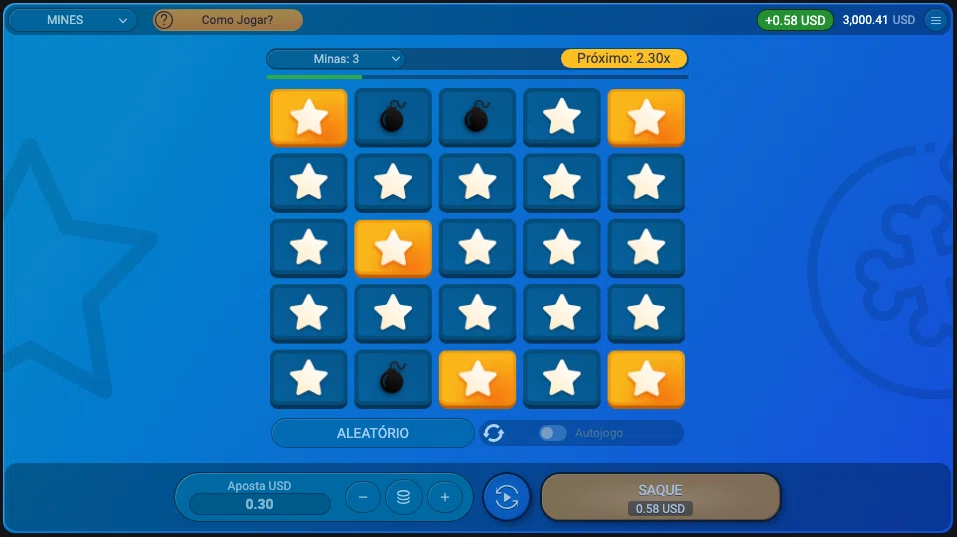
For Indian players, many of whom use mid-range Android phones, touch controls and responsiveness determine whether the game feels fair and playable. Stake Mines’ design emphasizes usable interface elements: tile size, spacing, touch targets, and instantaneous visual feedback when a tile is tapped. Responsiveness covers both latency between tap and tile reveal and the smoothness of animations that confirm outcomes.
What matters for mobile players
- Tap recognition: tiles must register single-touch inputs reliably, avoiding double-tap errors or missed taps.
- Feedback speed: the shorter the delay between input and reveal, the better for time-sensitive cash-outs.
- Animation clarity: clear reveal animations reduce cognitive load and help players track which tiles are safe.
- Network resilience: graceful handling of lag and reconnects prevents unfair interruptions during critical cash-outs.
Payout Summary
Payouts in Stake Mines depend primarily on the number of mines set and the number of safe tiles uncovered before cashing out. The higher the number of mines, the greater the risk and the steeper the multiplier growth for each successful pick. Below is a concise payout summary reflecting typical multiplier curves used by many mines games, adapted to Stake’s model for quick reference.
Typical multiplier behavior
- Low mine count (e.g., 1–3 mines): low per-tile risk, modest multipliers, long safe streaks more likely.
- Medium mine count (e.g., 4–8 mines): balanced risk/reward, multipliers escalate faster.
- High mine count (e.g., 9+ mines): high variance, large multipliers possible but frequent detonations.
Payout Odds and Risk
Mathematically, the probability of selecting a safe tile on any given pick equals (remaining safe tiles) / (remaining tiles). Multipliers are structured to ensure house edge while rewarding risk. For Indian players, understanding odds helps manage bet size and stop-loss decisions, especially on touch devices where reflexive tapping can override strategy.
Example
Imagine a 5×5 grid (25 tiles) with 5 mines. At the start the chance a randomly chosen tile is safe is 20/25 (80%). After selecting one safe tile, the next safe probability becomes 19/24, and so on. Multipliers increase accordingly, but cumulative risk rises with each pick.
Responsiveness Issues and Player Impact
Latency and touch registration directly affect outcomes in fast-paced rounds. A slight lag can cause a late tap which in turn leads to an unintended tile reveal or missed cash-out. For many players in India, network variability (mobile data vs. Wi-Fi) interacts with device performance: lower-end phones may struggle with heavy animations, degrading the perceived fairness.
Design choices that mitigate problems
- Large tile hitboxes reduce mis-taps.
- Instant visual change on tap (no long preload) improves trust.
- Option to disable heavy animations preserves performance on weak devices.
- Local prediction of results with server reconciliation shortens perceived latency — if implemented transparently.
How to Play Effectively on Mobile
- Set number of mines conservatively: novices should start with fewer mines to reduce variance.
- Choose an appropriate bet size relative to your bankroll to tolerate streaks of losses.
- Test responsiveness first: open a free/demo round to check tap registration and reveal speed on your device and network.
- Use slow, deliberate taps rather than racking speed — precision beats speed when touch targets are tight.
- Enable low-graphics mode if available to improve responsiveness on older phones.
Player Experience: A Short Playthrough
Playing a short session in India on a mid-range smartphone shows Stake Mines’ strengths: big friendly tiles, clear cash-out button, and immediate confirmation of results. The payout felt predictable in structure; the tension increased with each pick, especially as multipliers rose. A few sessions highlighted that on congested mobile networks, cashing out during high multipliers could be stressful if connection wavered.
Common frustrations
- Occasional delayed response during heavy site traffic.
- No visual lag indicator; players may hesitate wondering if their tap registered.
- Auto-play features (if active) can clash with touch control expectations — always verify settings before starting.
Regulatory and Payment Considerations for Players in India
While Stake and similar platforms may accept Indian users, players should verify local regulations and available payment methods. Cryptocurrency and alternative e-wallets are often supported, but availability can vary. Ensure KYC and deposit/withdrawal limits are clear before staking real funds.
Stake Mines offers an engaging tile reveal experience for Indian mobile players when touch controls and responsiveness are correctly tuned. The gameplay is straightforward, payouts scale with risk, and the mobile UX largely holds up for mainstream devices. To maximise enjoyment and reduce the impact of lag, test responsiveness in demo mode, prefer conservative mine settings when starting out, and keep track of network stability during sessions.
Basic winning odds calculator
This quick calculator estimates the probability of surviving n picks on a 25-tile grid with m mines. Probability of surviving the first pick = (25 ⏤ m) / 25. For successive picks multiply probabilities: P(n) = product from i=0 to n-1 of [(25 ─ m ─ i) / (25 ⏤ i)]. Use this to see how likely consecutive safe picks are before cashing out.
Expert feedback
Experienced Player
“I prefer fewer mines and slow picking. The tactile feel matters: when touch is solid, you can plan and cash out calmly. On weak phones I always enable low-graphic settings or play on Wi-Fi. The payout structure rewards patience, not frantic tapping.”
Frequently Asked Questions
How does mine count affect payouts?
More mines increase house-edge volatility but raise potential multipliers. Fewer mines mean smaller per-pick rewards but longer safe streaks.
Can I use demo mode to test responsiveness?
Yes. Demo mode is ideal for checking touch registration, animations, and network handling before real-money play.
Final Notes for Indian Players
Prioritise device responsiveness and network reliability when playing Stake Mines. Understand basic odds using the simple calculator above and adopt cautious staking strategies until you’re comfortable with how touch controls behave on your phone. With proper attention to responsiveness and risk management, Stake Mines can be a fun, quick casino-game experience.

