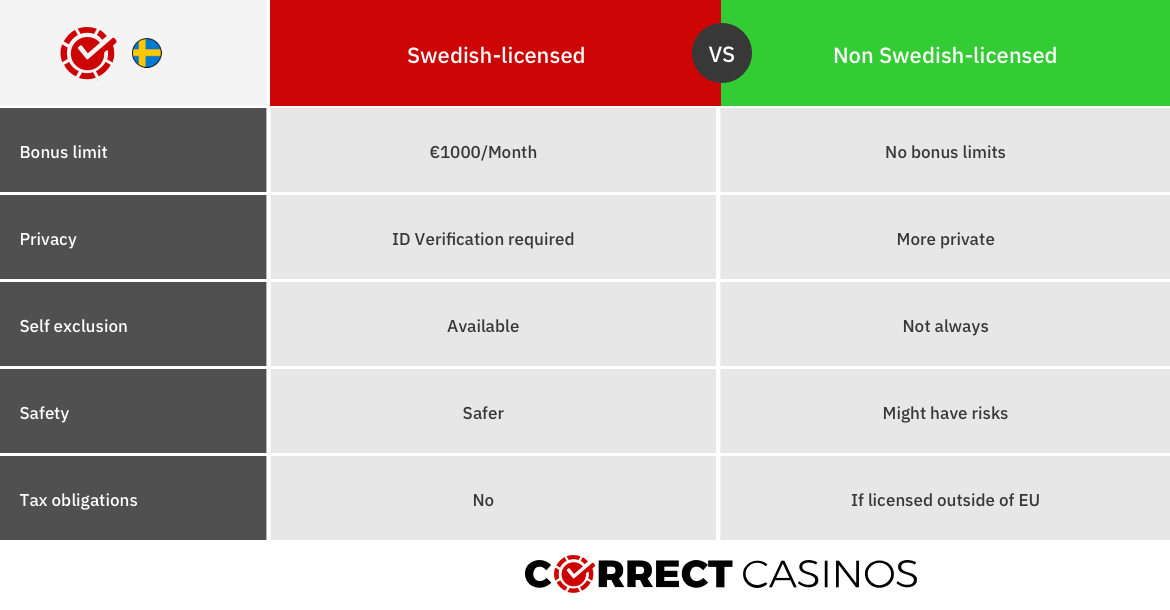
The world of gambling has witnessed tremendous growth in recent years, with numerous countries embracing online and offline casinos. As players flock to these establishments, understanding the complexities of Casino Licensing Outside Sweden: A Player Overview https://bjureberglab.se/ becomes imperative not only for operators to thrive but also for ensuring player protection and regulatory compliance. This article delves into the nuances of casino licensing in various jurisdictions, exploring the opportunities and challenges that arise for both operators and players.
The Importance of Casino Licensing
Casino licensing is essential for a healthy gaming environment. It serves several crucial roles, including protecting players, ensuring fair gaming practices, and upholding the integrity of the gaming industry. A reputable license not only boosts a casino’s credibility but also provides players with the assurance that they are engaging with a legitimate operation. The importance of licensing cannot be overstated, especially in an era where online gambling has become a significant aspect of the entertainment landscape.
Key Jurisdictions for Casino Licensing
Various jurisdictions around the world offer different licensing regimes, each with unique regulatory frameworks and requirements. Here are some prominent territories that provide casino licenses:
United Kingdom
The UK is widely regarded as one of the most respected jurisdictions for online gambling. The UK Gambling Commission (UKGC) is responsible for regulating all forms of gambling, including casinos. Operators must comply with stringent regulations, including player protection measures, fair gaming practices, and transparency regarding financial transactions. The licensing process is thorough and can take several months, but businesses that acquire a UK license benefit from a trusted reputation and access to a large market.
Malta
Malta, known for its favorable tax regime and well-structured regulations, has become a hub for online gambling. The Malta Gaming Authority (MGA) oversees the licensing process, which is more accessible than in some other jurisdictions. The MGA has developed a robust regulatory framework that prioritizes responsible gaming and player protection. Furthermore, Malta’s membership in the European Union facilitates cross-border operations, making it an attractive option for international operators.
Gibraltar
Gibraltar has been a popular choice for online casinos due to its low tax rates and strong regulatory environment. The Gibraltar Gambling Commissioner oversees licensing, ensuring compliance with gaming laws. Operators are subject to stringent regulations that cover everything from data protection to anti-money laundering measures. The strategic location of Gibraltar also serves as a gateway to the European market, making it an appealing choice for online operators.
Curacao
Curacao has gained popularity among new operators seeking a quick and cost-effective licensing process. While the regulatory framework is less stringent compared to the UK or Malta, acquiring a Curacao license is relatively simple and affordable. However, operators must weigh the advantages against the potential disadvantages of lesser consumer protection, which may lead to concerns about the legitimacy of the operation.
Challenges Faced by Operators
While opportunities abound in various jurisdictions, operators face several challenges when seeking a casino license. Some of the most pressing issues include:
Regulatory Compliance
Navigating the complex regulatory landscape is often daunting for operators. Each jurisdiction has its own set of rules and requirements, and non-compliance can result in hefty fines or loss of licenses. This necessitates a deep understanding of local laws and a commitment to maintaining compliance at all levels.
Costs of Licensing
The costs associated with obtaining a license can be prohibitive, particularly for new entrants. Licensing fees, compliance costs, and ongoing regulatory expenses can add up quickly, making it a significant investment for operators. As a result, financial planning becomes crucial, especially for startups in the industry.
Market Saturation
As more jurisdictions open up to online gambling, market saturation has become a pressing concern. New operators must find ways to differentiate themselves in a crowded market, which often requires substantial marketing efforts and financial resources. This enhances competition, driving the need for innovative strategies to attract and retain players.
Future Trends in Casino Licensing
The landscape of casino licensing is continually evolving. Several trends are emerging, including:
Increased Regulation
As governments worldwide recognize the potential for revenue generation from gambling, the likelihood of increased regulation grows. This could result in more stringent licensing requirements, aimed at ensuring consumer protection and responsible gaming.
Emphasis on Responsible Gambling
There is a significant push towards promoting responsible gambling practices. Licensing authorities are likely to place increased emphasis on measures that protect vulnerable players, such as self-exclusion programs and responsible advertising practices.
Technological Integration
Advances in technology are transforming the gaming landscape. Operators are increasingly adopting blockchain technology and artificial intelligence to enhance player experiences while ensuring compliance with regulatory requirements. This can help simplify the licensing process and improve overall transparency.
Conclusion
As the gambling industry continues to expand beyond Sweden, understanding casino licensing becomes paramount for operators aiming to thrive in the international landscape. While jurisdictions like the UK, Malta, Gibraltar, and Curacao present unique opportunities, they also pose challenges that require careful navigation. By staying informed about regulatory requirements and adapting to emerging trends, operators can successfully position themselves in this dynamic market, catering to the ever-evolving needs of players worldwide.